
The Great Australian Opal

The story of the Great Australian Opal begins millions upon millions of years ago, when an inland sea dominated most what is now NT, QLD, SA and NSW. This inland sea spread from the Gulf of Carpenteria down far beneath Lake Eyre, out through NSW to the east and then up through the Channel Country of western QLD, heralding sea life in an area that is now known to be long spread in it's dryness and remoteness.

As the inland sea receded over a long period of climate change, water made its way through the ground and deposited in faults and voids in the sedimentary rock. This silica rich water hardened within the faults in the earth and the remaining shells of decomposed sea life to leave behind solidOpal material in the ground.

Because of the way Australian Opal forms in sedimentary rock, it is generally accepted to be the most stable form of precious opal available internationally. The pressure, and the time needed for this opal to form means that it is naturally stable and is not hydrophane like other precious opal can be. Ethiopian Opal being a good example of a stone that takes on water and loses it's colour, albeit temporarily. Solid Australian opal however, can take on water and liquids without problems. The only factors generally affecting the stability of Australian opal is it's formation or health in the rough, and whether or not the material is too weak to take on long periods of dryness or heat.

In 1915 a group of explorers led a expedition for gold into central Australia from the South. They were called "The new Colorado prospecting syndicate". Coming to camp in for the night just south of the current Coober Pedy township, the men went to search for water. In doing so they left fifteen year old Willie Hutchinson, the son of the syndicate's leader, James, alone to his devices. As any young, bored boy does, he went for kickabout, little did he know that he would find Opal floaters that day and set off a century of opal mining history in South Australia.
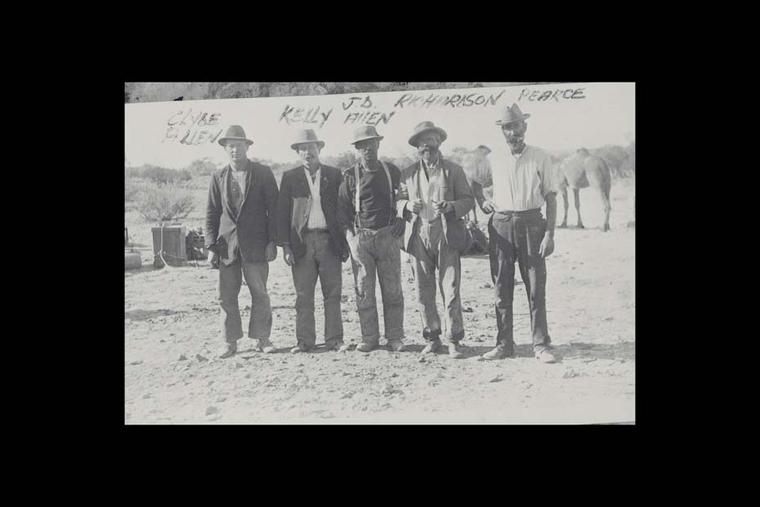
Coober Pedy was renowned for its Opals before world war two in spite of technical limitations, but after the discovery of the eight mile field by Tottie Bryant in 1945 and the subsequent mechanical advances alongside significant influxes of migrant population, the fields boomed significantly. Coming into the 1970's, further engineering advances, such as the invention of the blower, had major npositive impact as to what miners were capable of. With cheaper diesel and quicker, efficient machinery, many famous fields came to be and since then Coober Pedy is known as the "Opal Capital of the World" for it's significant contribution to Australia Opal supply both in quality and quantity.
